In today’s fast-paced and globalized economy, businesses are more interconnected than ever before. While this offers numerous benefits, it also presents a growing risk of financial crime, including money laundering. To combat this, anti-money laundering (AML) checks and Know Your Customer (KYC) processes have become essential for businesses across various industries, from banking to fintech and beyond.

What is Anti-Money Laundering?
Anti-money laundering for Kyc refers to a set of laws, regulations, and procedures designed to prevent the illegal process of making large amounts of money generated by criminal activity, such as drug trafficking or fraud, appear legitimate. This typically involves identifying, reporting, and preventing suspicious activities that may indicate money laundering.
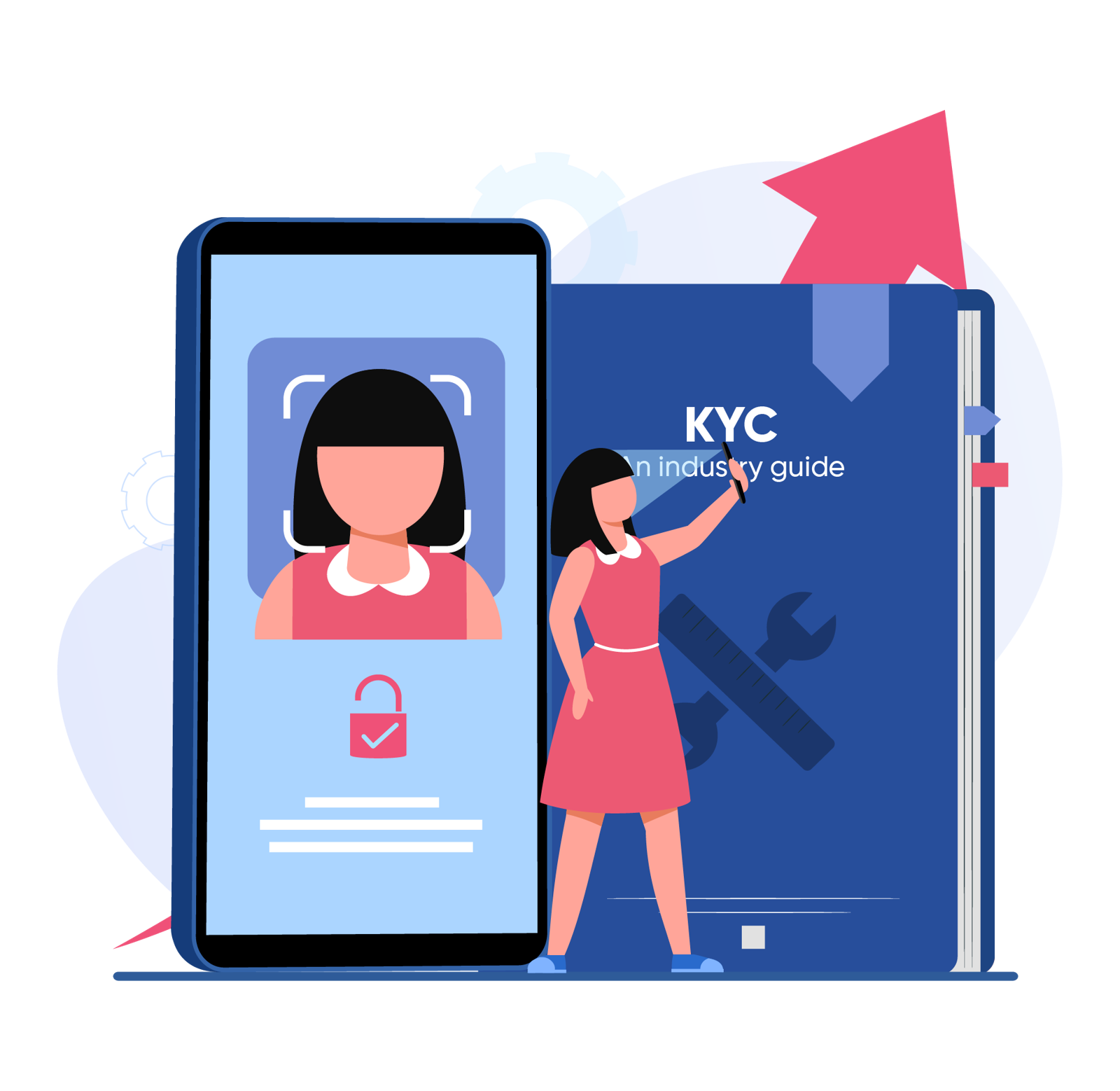
KYC, or "Know Your Customer," is a fundamental part of AML. It requires businesses to verify the identities of their clients and assess potential risks to prevent financial crimes. By implementing KYC measures, businesses can ensure that they are dealing with legitimate customers and not unknowingly facilitating illegal activity.
Why Are AML and KYC Checks Crucial?
1. Protecting the Business from Legal Risks
Failing to implement adequate anti-money laundering measures can lead to severe legal consequences. Businesses that are found guilty of facilitating money laundering may face hefty fines, sanctions, and even criminal charges. By performing thorough AML and KYC checks, businesses can reduce the risk of inadvertently being involved in financial crimes, protecting themselves from legal penalties.
2. Maintaining a Strong Reputation
Reputation is everything in business. Being linked to criminal activities such as money laundering can cause significant damage to a company’s public image. Customers, partners, and investors are likely to distance themselves from organizations with poor AML practices. By investing in effective KYC and AML procedures, companies can maintain their integrity and build trust with stakeholders.
3. Compliance with Regulatory Standards
AML and KYC are not just best practices; they are required by law in many jurisdictions. Governments and regulatory bodies worldwide are cracking down on money laundering, and businesses must comply with these rules to operate legally. Adhering to these regulations ensures that businesses avoid penalties and remain compliant with local and international laws.
4. Mitigating Financial Crime Risks
AML and KYC checks play a crucial role in identifying and mitigating the risks associated with financial crimes. These checks help detect suspicious transactions, unusual behavior, and other red flags that could indicate illicit activity. By identifying these risks early, businesses can take appropriate action to prevent financial crime from impacting their operations.
In conclusion, anti-money laundering and KYC checks are not just regulatory requirements; they are essential tools for ensuring the security, legality, and reputation of a business. ClearDil’s advanced solutions provide businesses with the tools they need to stay compliant and protect themselves from financial crime.
For more insights, read our previous blog here.







Write a comment ...